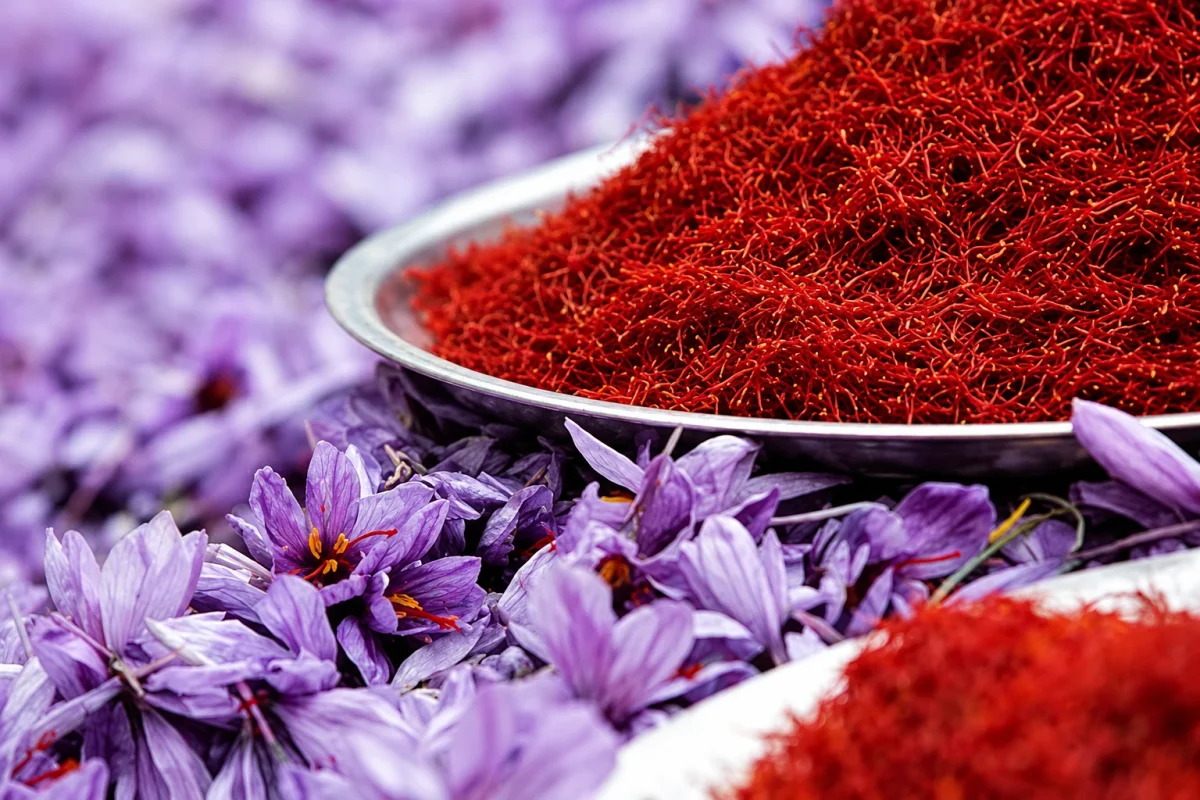
پتلهای گل جزء متداولترین باقیماندههای زیستی زعفران (Crocus sativus L.) هستند. از آنجا که آنها منبع طبیعی پلیفنولها با خواص آنتیاکسیدانی هستند، میتوان آنها را پردازش کرد تا محصولات ارزشمند بیورفاینری برای استفاده در صنایع داروسازی، آرایشی و غذایی تولید کنند و همزمان منبع درآمد جدیدی فراهم کرده و زیستپسماندها را کاهش دهند. نگهداری مناسب محصولات جانبی در بیورفاینینگ اهمیت دارد و خشککردن به طور گسترده در بخش گیاهان دارویی استفاده میشود، به ویژه برای گلهای برداشتشده که به سرعت فاسد میشوند. این مطالعه با هدف بررسی عمیقتر ترکیب فیتوشیمیایی پتلهای خشک زعفران و بررسی اینکه آیا این موضوع توسط تکنیک استخراج تحت تأثیر قرار میگیرد یا نه، انجام شد. بهطور خاص، خیساندن سنتی با استخراج کمکشده با اولتراساند (UAE) مقایسه شد و از حلالهای مختلف (آب و سه غلظت متانول، یعنی 20٪، 50٪ و 80٪) استفاده گردید.
در مقایسه با ادویه، گلبرگهای خشک شده زعفران دارای محتوای کمتری از ترکیبات فنلی کل (میانگین مقدار ۱۱۲۷.۹۴±۳۲.۳۴ میلیگرم GAE در ۱۰۰ گرم وزن خشک) و آنتوسیانینها (تا ۴۱۳.۳۰±۱۳۷.۱۶ میلیگرم G3G در ۱۰۰ گرم وزن خشک) بودند، اما فعالیت آنتیاکسیدانی بالاتری داشتند که از طریق آزمونهای FRAP، ABTS و DPPH اندازهگیری شد. تحلیل HPLC-DAD برخی ترکیبات فنلی (مانند اسید فرولیک، ایزوکوئرسیتین و کوئرسیتین) را شناسایی کرد که قبلاً در گلبرگهای تازه زعفران یافت نشده بودند. ویتامین C که قبلاً در ادویه کشف شده بود، به طور جالبی در گلبرگهای خشک نیز شناسایی شد. در مورد تکنیک استخراج، در اکثر موارد، UAE با حلالهای ایمنتر (مانند آب یا درصد کمی متانول) نتایج ترکیبات فنلی و ویتامین C مشابه ماچر شدن نشان داد و امکان بهبود استخراجها از طریق کاهش زمان به نصف را فراهم کرد.بدین ترتیب، این مطالعه نشان داد که گلبرگهای کلاله زعفران میتوانند با حفظ کیفیت خشک شوند و از استخراجهای سبز میتوان برای به دست آوردن مقادیر بالای فیتوشیمیاییهای آنتیاکسیدانی ارزشمند استفاده کرد، که نیاز به یک پالایش زیستی پایدار را برآورده میسازد.
Tepals constitute the most abundant bio-residues of saffron (Crocus sativus L.). As they area natural source of polyphenols with antioxidant properties, they could be processed to generate valuable biorefinery products for applications in the pharmaceutical, cosmetic, and food industries, becoming a new source of income while reducing bio-waste. Proper storage of by-products is important in biorefining and dehydration is widely used in the herb sector, especially for highly perishable harvested flowers. This study aimed to deepen the phytochemical composition of dried saffron tepals and to investigate whether this was influenced by the extraction technique. In particular, the conventional maceration was compared with the Ultrasound Assisted Extraction (UAE), using different solvents (water and three methanol concentrations, i.e., 20%, 50%, and 80%).
Compared to the spice, the dried saffron tepals showed a lower content of total phenolics (average value1127.94±32.34 mg GAE 100 g−1DW) and anthocyanins (up to 413.30±137.16 mg G3G 100 g−1DW), but a higher antioxidant activity, which was measured through the FRAP, ABTS, and DPPHassays. The HPLC-DAD analysis detected some phenolic compounds (i.e., ferulic acid, isoquercitrin, and quercetin) not previously found in fresh saffron tepals. Vitamin C, already discovered in the spice, was interestingly detected also in dried tepals. Regarding the extraction technique, in most cases, UAE with safer solvents (i.e., water or low percentage of methanol) showed results of phenolic compounds and vitamin C similar to maceration, allowing an improvement in extractions by halving the time. Thus, this study demonstrated that saffron tepals can be dried maintaining their quality and that green extractions can be adopted to obtain high yields of valuable antioxidant phytochemicals, meeting the requirement for a sustainable biorefining
- Authors: Stefania Stelluti, Matteo Caser * , Sonia Demasi and Valentina Scariot
- URL: https://www.researchgate.net/publication/349991101_Sustainable_Processing_of_Floral_Bio-Residues_of_Saffron_Crocus_sativus_L_for_Valuable_Biorefinery_Products
- DOI URL: https://doi.org/10.3390/plants10030523
- عنوان مقاله: اطلاعات کلی
- محور مقاله: محصول نوآورانه
- افیلیشن نویسنده مسئول: Department of Agricultural, Forest and Food Sciences, University of Torino, Largo Paolo Braccini 2,10095 Grugliasco, Italy;
- ایمیل نویسنده فقط برای کاربران ورود / عضویت
- سال انتشار مقاله: 2021
- زبان: انگلیسی
- کشور: ایتالیا
- کد مقاله: 23157
- کلمات کلیدی فارسی: گلبرگهای خشک شده؛ محتوای کل فنولیک؛ محتوای کل آنتوسیانین؛ فعالیت آنتیاکسیدانی؛ ویتامین C؛ استخراج با کمک اولتراسوند؛ بیورفاینیگ
- کلمات کلیدی انگلیسی: dried tepals; total phenolic content; total anthocyanin content; antioxidant activity;vitamin C; ultrasound assisted extraction; biorefining
- لینک کوتاه: https://wikisaffron.org?p=23157