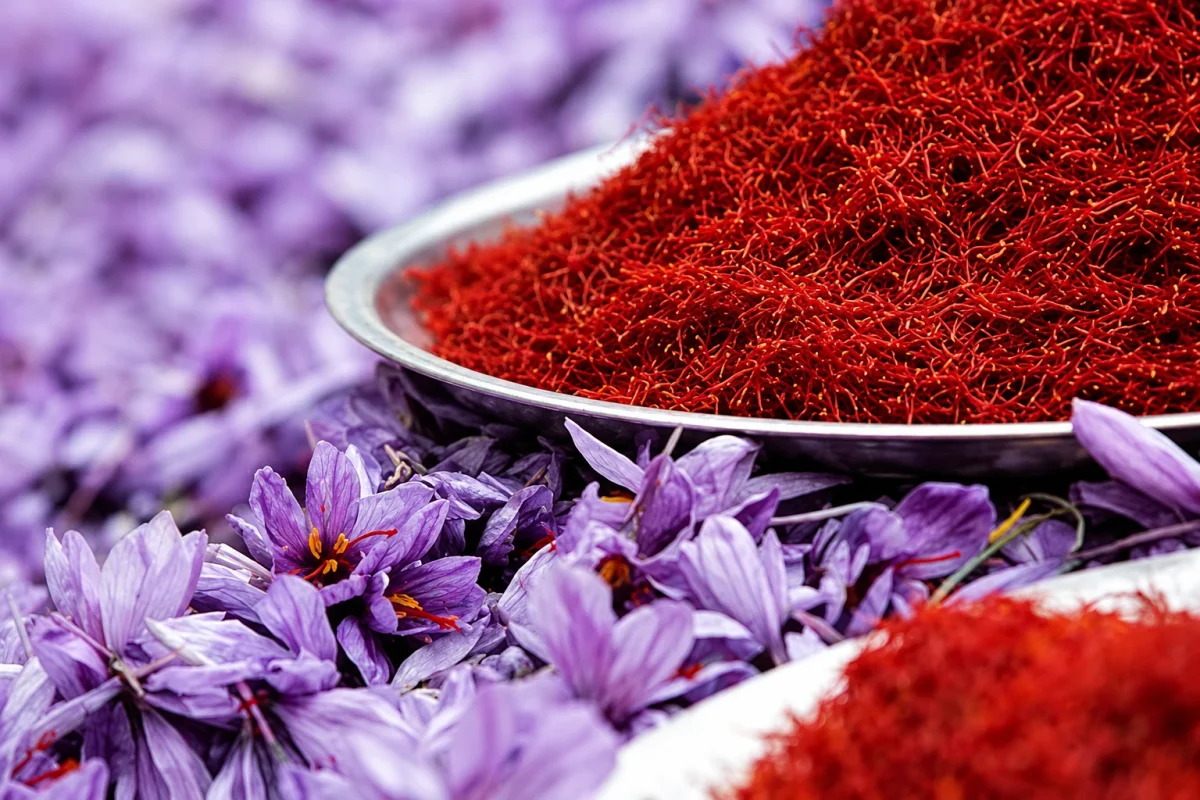
زعفران یکی از محصولات استراتژیک کشور است که بازار بسیار خوبی در آسیای صغیر و خصوصا اروپا دارد و جایگاه مناسبی برای ایران در مقابل سایر کشورها مانند ایتالیا و اسپانیا به وجود آورده است. این محصول بازار مناسبی در سطح جهان دارد. اما لازمه حفظ این بازار تولید محصولی استاندارد، با کیفیت و دارای نظام های کنترل کیفی است. در مبانی دینی نیز بر اهمیت اثر بخشی مواد غذایی بر جسم و جان تاکید فراوانی شده است ؛ بنابراین می توان با تلفیق مفهومی آموزه های دینی و استانداردهای موجود، نظام کنترل کیفیت جامعی تدوین کرد و به محصولی طیب دست یافت. در این مطالعه منابع دینی و قوانین و استانداردهای مرتبط با زنجیره تولید زعفران بررسی و عوامل موثر بر کیفیت آن شناسایی شد. سپس شاخصهای حلال بودن (حدود و حقوق شرعی، قانونی و عمومی برای مراحل مختلف تولید تا عرضه زعفران تبیین شد. حلیت یکی از ارکان نشان طیب می باشد و الزامات و شاخص ها آن شامل رعایت اصول شرعی در مالکیت قانونی زمین، تنظیم قراردادهای مالی مشروع، قانونی و منصفانه بودن عملکرد مالکان، شرکا یا اجاره کنندگان زمین، پرداخت خمس مرتبط با زمین، آموزش مبانی شرعی به مالکان، شرکاء، اجاره کنندگان و کارگران از طریق ارائه بروشور یا برگزاری کارگاههای آموزشی و همچنین تنظیم قراردادهای قانونی و منصفانه با کارگران است. این شاخصها برای تمامی حلقه های زنجیره زعفران شامل مراحل پیش از کاشت و آماده سازی زمین، کاشت، داشت، برداشت، فراوری، بسته بندی و عرضه محصول مورد توجه است. در فرایند ارزیابی طیب برای زنجیره زعفران از چک لیست ارزیابی طلیب استفاده میشود. در این راستا یک محدوده امتیاز برای مشاهدات یا مستندات ارائه شده در نظر گرفته می شود و در نهایت به صورت امتیاز کیفیت آن محصول در سامانه کیفیت طیب ارائه می گردد. اگر زنجیره تولید زعفران به لحاظ شرعی و قانونی حلال نباشد حتی اگر سایر ویژگی های کیفیت را داشته باشد، نمی توان محصول به دست آمده را طیب نامید. از طرفی در مدل ارزیابی طیب و چک لیست های آن هم از امتیاز قابل قبولی برخوردار نخواهد شد. نتیجه گیری نهایی آنکه بررسی مراحل مختلف زنجیره تولید زعفران نشان میدهد که رعایت مسائل شرعی و قانونی تاثیر زیادی در کیفیت زعفران تولیدی و کسب نشان طیب دارد.
Saffron is one of the country’s strategic products, which has a very good market in Asia Minor and especially in Europe, and has created a suitable position for Iran compared to other countries such as Italy and Spain. This product has a good global market. However, maintaining this market requires producing a standardized, high-quality product with quality control systems. Religious principles also emphasize the significant impact of food on the body and soul; therefore, by combining the concepts of religious teachings and existing standards, a comprehensive quality control system can be developed to achieve a wholesome product. In this study, religious sources, laws, and standards related to the saffron production chain were examined, and factors affecting its quality were identified. Then, halal indicators (regarding religious, legal, and public rights and limits) for various stages of saffron production and distribution were explained. Halal is one of the pillars of the Tayyib designation, and its requirements and indicators include observing Sharia principles in legal land ownership, drafting legitimate financial contracts, ensuring owners’, partners’, or tenants’ actions are lawful and just, paying Khums related to the land, providing Sharia-based education to owners, partners, tenants, and workers through brochures or workshops, as well as drafting legal and fair contracts with workers. These indicators are considered for all links in the saffron supply chain, including pre-planting and land preparation, planting, cultivation, harvesting, processing, packaging, and product supply. In the Tayyib evaluation process for the saffron chain, the Tayyib evaluation checklist is used. In this regard, a scoring range is considered for observations or submitted documents, and finally, the quality score of the product is presented in the Tayyib quality system. If the saffron production chain is not Halal from a Sharia and legal perspective, even if it possesses other quality attributes, the resulting product cannot be called Tayyib.On the other hand, in the Tayyeb evaluation model, it will not receive an acceptable score even with its checklists. The final conclusion is that examining the various stages of the saffron production chain shows that adherence to religious and legal matters has a significant impact on the quality of the produced saffron and obtaining the Tayyeb certification.
- عنوان: نقش حدود و حقوق شرعی، قانونی و عمومی در زنجیره تولید زعفران
- Title: The Role of Sharia, Legal, and Public Rights and Limits in the Saffron Production Chain
- نویسندگان: فیضی، جواد و سرابی جماب، محبوبه و زمانی، حسین و جوکار، مجتبی
- URL: https://civilica.com/doc/1329225/
- عنوان مقاله: اطلاعات کلی
- محور مقاله: محصول نوآورانه
- نام ژورنال: ششمین همایش ملی زعفران
- افیلیشن نویسنده مسئول: استادیار، گروه ایمنی و کنترل کیفیت مواد غذایی، موسسه پژوهشی علوم و صنایع غذایی، مشهد، ایران
- سال انتشار مقاله: 2021
- زبان: فارسی
- کشور: ایران
- کد مقاله: 25261
- کلمات کلیدی فارسی: زعفران ، کیفیت ، حلال ، طیب ، مدل ارزیابی
- کلمات کلیدی انگلیسی: Saffron, quality, halal, pure, evaluation model
- لینک کوتاه: https://wikisaffron.org?p=25261