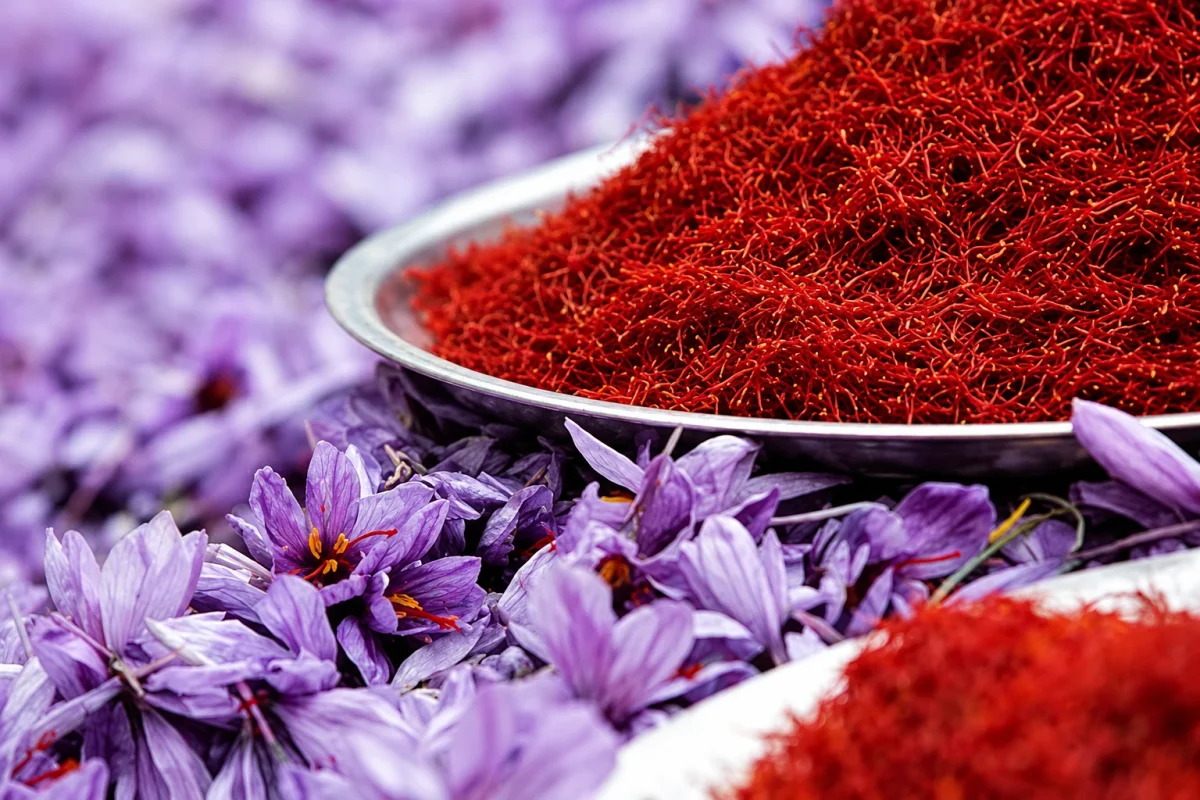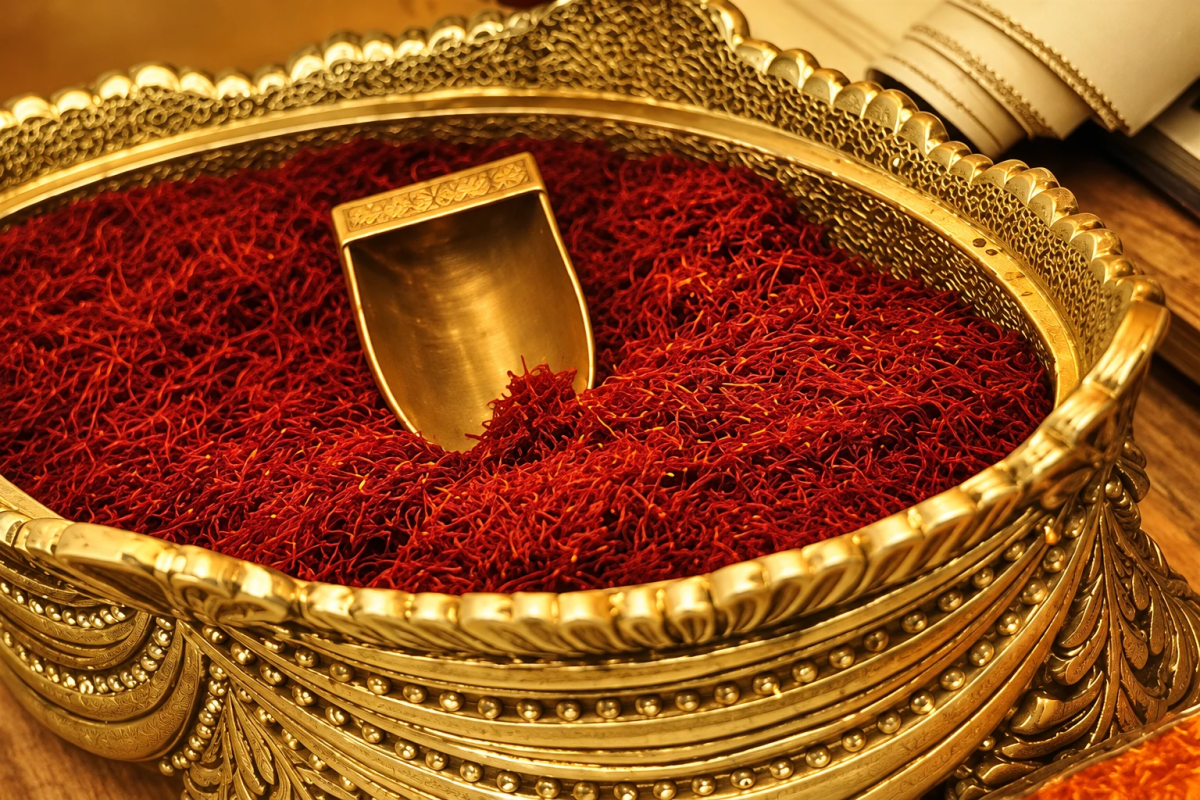



Crocus sativus L. از خانواده Iridaceae یک گیاه دارویی و خوراکی است که اخیراً در اوکراین به طور فعال کشت میشود. ادویه زعفران از پرچمهای گل زعفران به دست میآید و به دلیل سه ترکیب فعال زیستی اصلی آن: کروکین، پیکروکروسین و صفرانال دارای طیف گستردهای از فعالیت دارویی است. کیفیت این ماده اولیه توسط اسناد هنجاری مختلف تنظیم میشود، اما هیچ مونوری در فارماکوپه دولتی اوکراین (SPhU) وجود ندارد.
هدف. انجام یک تحلیل مقایسهای از مونограф «زعفران برای تهیههای همیوپاتیک» از Ph. Eur. 9.0، «زعفران. گلبرگهای کلاله (Crocus stigma)» از Deutscher Arzneimittel Codex (DAC) و «ادویهها – زعفران (Crocus sativus L.)» از ISO 3632 بر اساس شاخصهای زیر: توصیف، شناسایی (میکروسکوپی و TLC)، ناخالصیها، از دست دادن وزن هنگام خشک شدن، خاکستر کل و تعیین مقدار کروکین، پیکروکروسین و سافرنال با استفاده از طیفسنجی UV-Vis، به منظور روشن کردن امکان هماهنگسازی الزامات چارچوب قانونی ملی برای گلبرگهای کلاله زعفران با Ph. Eur. 9.0، DAC و ISO 3632. نتایج تحلیل برای توسعه مونограф بخش ملی SPhU «گلبرگهای کلاله زعفران (زعفران)» مورد توجه قرار خواهد گرفت.
نتایج و بحث. شاخصهای کیفی کلالههای زعفران و استانداردسازی آنها که توسط منشور موجود در Ph. Eur. 9.0، DAC و ISO 3632 بر روی ماده خام مورد بررسی تعیین شدهاند، تحلیل شدهاند؛ تفاوتهایی در شاخصهای کیفی تنظیمشده ماده خام مشاهده شده است. نتایج تحقیقات خود ما نشان داده است که نمونههای زعفران اوکراینی تمام این الزامات را برآورده میکنند. نتایج بررسی ماکرو و میکروسکوپی ماده خام ارائه شده است. بررسی کروماتوگرافی مطابق با Ph. Eur. 9.0 و DAC با استفاده از کروسین به عنوان ترکیب استاندارد انجام شده است؛ تعیین کمی کروسین، پیکروکروسین و سافرنال در ۸ نمونه از کلالههای زعفران با استفاده از اسپکتروفوتومتری UV-Vis مطابق با ISO 3632 انجام شده است. پیشنهاد شده است تا شاخصهای زیر به منظور تعیین نرخ جذب ویژه معرفی شوند:برای کروسین (C44H64O24؛ وزن مولکولی – 976.70) حداقل 180، برای سافرنال (C10H14O؛ وزن مولکولی – 150.22) حداقل 30، برای پیکروکروسین (C16H26O7؛ وزن مولکولی – 330.37) حداقل 60 با محاسبه بر اساس مواد خشک اولیه.
بخش تجربی: برای تحلیل از کلالههای خشک شده زعفران (Crocus sativus) جمعآوری شده در روستای Lyubimivka، منطقه خرسون، اوکراین (۲۰۱۶-۲۰۱۸) و همچنین نمونههای تجاری زعفران از مراکش، آذربایجان و اسپانیا استفاده شد. تحلیل مدارک هنجاری پیشرو شامل مونتگرافهای «کلالههای زعفران» انجام شد که از جمله آنها فارماکوپه اروپایی ۹.۰، DAC و ISO 3632 هستند. مطالعات شامل توصیف ظاهر کل کلالههای زعفران؛ کاهش در هنگام خشک شدن و درصد ترکیبات فرار (۱۰۵ °C، ۱۶ ساعت)؛ درصد خاکستر کل بود. مقدار پیکروکروسین، سافرنال و کروسین با خواندن مستقیم مقدار جذب محلول آبی ۱٪ کلالهها در طول موجهای ۲۵۷ نانومتر، ۳۳۰ نانومتر و ۴۴۰ نانومتر به ترتیب، با استفاده از طیفسنج UV-Vis اندازهگیری شد.
نتیجهگیریها. تحلیل نیازمندیهای کیفیت ماده اولیه دارویی – کلالههای زعفران (Crocus sativus) – بر اساس تکنگاشتهای زیر انجام شده است: «زعفران برای فرآوردههای همیوپاتیک» از Pharmacopeia Europea 9.0، «زعفران. کلالههای کروکوس» از Deutscher Arzneimittel Codex و «ادویهها – زعفران (Crocus sativus L.)» از ISO 3632. معیارهای اصلی برای استانداردسازی ماده اولیه تعیین شده است. پیشنهاد شده است که تکنگاشت مذکور به بخش ملی SPhU با عنوان «کلالههای کروکوس (زعفران)» بر اساس الزامات زیر وارد شود: شناسایی (نشانههای ماکرو و میکروسکوپی؛ کروماتوگرافی لایه نازک (کروسین))؛ تعیین کمی (محتوای کروسین، پیکروکروسین و سافرنال) مطابق با ISO 3632، انجام شده توسط طیفسنجی UV-Vis؛ ناخالصیها؛ کاهش وزن هنگام خشک کردن؛ خاکستر کل.
“Crocus sativus L. from the Iridaceae family is a medicinal and edible plant that has recently been actively cul tivated in Ukraine. Saffron spice is crocus flower stigmas exhibiting a wide range of the pharmacological activity due to its three main bioactive compounds: crocin, picrocrocin and safranal. The quality of this raw material is regulated by various normative documents, but there is no monograph in the State Pharmacopoeia of Ukraine (SPhU).
Aim. To perform a comparative analysis of the monograph “Saffron for homoeopatic preparations” from the Ph. Eur. 9.0, “Saffron. Croci stigma” from the Deutscher arzneimittel codex (DAC) and “Spices – Saffron (Crocus sativus L.)” from the ISO 3632 by the following indicators: description, identification (microscopy and TLC), impu rities, loss on drying, total ash and quantification of crocin, picrocrocin and safranal by UV-Vis-spectrophotometry to clarify the possibility of harmonizing the requirements of the national legal framework for Crocus stigmas with the Ph. Eur. 9.0, DAC and ISO 3632. The results of the analysis will be taken into account in the development of the monograph of the national part of the SPhU “Crocus stigmas (saffron)”.
Results and discussion. The quality indicators of Crocus stigmas and their standardization determined by the monograph in the Ph. Eur. 9.0, DAC and ISO 3632 on the raw material studied have been analyzed; some differences in the regulated quality indicators of the raw material have been found. The results of our own research have shown that the samples of the Ukrainian Crocus (saffron) meet all these requirements. The results of the macro- and microscopic examination of the raw material are given. The chromatographic examination has been performed in accordance with the Ph. Eur. 9.0 and DAC using crocin as a standard compound; the quan titative determination of crocin, picrocrocin and safranal in 8 samples of Crocus stigmas has been performed by UV-Vis-spectrophotometry in accordance with the ISO 3632. It has been proposed to introduce the following indicators to determine the specific absorption rate: for crocin (C44H64O24; Mw – 976.70) not less than 180, for safranal (C10H14O; Mw – 150.22) – not less than 30, for picrocrocin (C16H26O7; Mw – 330.37) – not less than 60 calculated with reference to the dried raw material.
Experimental part. For analysis the dried stigmas of Crocus sativus (saffron) collected in the village Lyubimivka, Kherson region, Ukraine (2016-2018), as well as commercial samples of saffron from Morocco, Azerbaijan, Spain were used. The analysis of the leading normative documents containing monographs “Crocus stigmas”, among them the Eur. Ph. 9.0, DAC and ISO 3632, was performed. The studies included description of the appearance of the whole Crocus stigmas; loss on drying and the mass fraction of volatile compounds (105 °C, 16 h); the mass fraction of total ash. The amount of picrocrocin, safranal and crocin was measured by direct reading of the absorption of 1 % aqueous solution of stigmas at 257 nm, 330 nm and 440 nm, respectively, using a UV-Vis-spectrophotometer.
Conclusions. The analysis of the requirements to quality of the medicinal raw material – stigmas of Crocus sativus – has been performed based on the monographs: “Saffron for homoeopatic preparations” from the Ph. Eur. 9.0, “Saffron. Croci stigma” from the Deutscher arzneimittel codex and “Spices – Saffron (Crocus sativus L.)” from the ISO 3632. The main criteria for standardization of the raw material have been determined. It has been proposed to intro duce the monograph to the national part of the SPhU “Crocus stigmas (saffron)” according to the following requirements: identification (macro- and microscopic signs; thin-layer chromatography (crocin); the quantitative determination (the content of crocin, picrocrocin and safranal) adapted to the ISO 3632, performed by UV-Vis spectrophotometry; impurities; loss on drying; total ash”
- Authors: O. O. Mykhailenko, A. G. Kotov, E. E. Kotova, L. M. Sira, V. M. Kovalyov, V. A. Georgiants
- DOI URL: https://doi.org/10.24959/ophcj.21.179933
- عنوان مقاله: اطلاعات کلی
- محور مقاله: تکنیک نوین
- افیلیشن نویسنده مسئول: National University of Pharmacy of the Ministry of Health of Ukraine, Ukraine
- ایمیل نویسنده فقط برای کاربران ورود / عضویت
- سال انتشار مقاله: 2021
- زبان: سایر
- کشور: اوکراین
- کد مقاله: 24101
- کلمات کلیدی فارسی: استانداردسازی؛ دارونامه دولتی اوکراین؛ مادگی گل زعفران؛ زعفران؛ کروکین
- کلمات کلیدی انگلیسی: standardization; State Pharmacopoeia of Ukraine; Crocus sativus stigma; saffron; crocin
- لینک کوتاه: https://wikisaffron.org?p=24101